
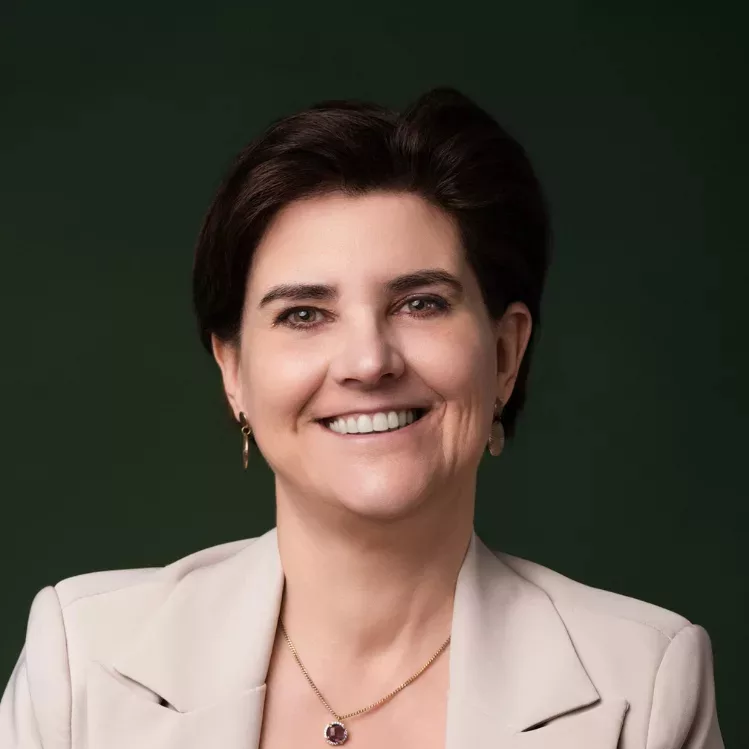
In the heart of Florence, where centuries-old architecture meets modern ambition, Erika Ferrati is redefining luxury real estate. As founder of DimorEtica and Local Ambassador for Luxforsale, she blends deep respect for historical heritage with savvy investment strategies, helping clients transform timeless properties into profitable opportunities. From preserving original artistry to leveraging international markets, Ferrati’s approach proves that history and innovation can thrive together.
“Historic properties are opportunities to blend tradition with innovation.”
Florence is known for its rich history and architecture. How do these cultural elements influence the way you market and manage properties?
Working in Florence means starting from a deep respect for its historical identity. When I market a property, especially within DimorEtica Luxury RE, I highlight architectural value, original materials, and the historical context, presenting each residence as an authentic piece of the city. As Local Ambassador for Luxforsale, I position these properties on international channels that appreciate Florence’s heritage. Even in property management, I guide owners and buyers in balancing preservation of historical character with modern comfort, involving specialists in protected buildings and historic centers.
Running a business with multiple specializations requires strategy. How do you prioritize growth in both traditional and investment-focused real estate sectors?
I have structured DimorEtica into two complementary divisions: traditional residential brokerage and investment-focused real estate, including judicial auctions and Luxury Auction services. Priorities are defined through data: local demand, market absorption rates, and client type. The traditional segment ensures recurring business and territorial presence, while the investment area offers higher potential margins and strong appeal for Italian and international investors. My goal is to allocate commercial and marketing resources dynamically while maintaining ethics and transparency across all operations.
How has the Italian property market evolved since you entered it, and how have you adapted your business model to these changes?
The Italian real estate market experienced a long post-2008 adjustment phase, with national prices still estimated to be over 20% below pre-crisis peaks in several areas, and then a progressive recovery, with residential values increasing by around 4–5% annually by mid-2025. Tuscany, especially the Florence area, has seen additional growth driven by international demand, with increases between 5% and 8% in 2024. DimorEtica has adapted by expanding into the luxury and investment segments, offering advanced advisory services (including auctions, income-producing properties, and property finding), and strengthening due diligence support as clients have become increasingly informed and selective.
Networking and relationships are key in real estate. What strategies do you use to build trust with investors and clients?
Trust is built through consistency: I clearly communicate what can be achieved and follow through, addressing risks as openly as opportunities. With investors, I provide market analyses, return-on-investment projections, and scenario planning. With residential buyers and sellers, I work with an advisory approach, focusing on listening and long-term relationship building. Participation in territorial networks, collaboration with legal, tax, and technical professionals, and my role as Local Ambassador for Luxforsale reinforce our credibility in both traditional and luxury markets.
Technology is transforming property investment worldwide. How are you leveraging digital tools in your business?
Italy is still developing its PropTech sector, but digital adoption is accelerating. In DimorEtica, we use virtual tours, videos, and 3D floor plans, which studies suggest shorten sale times and improve negotiation outcomes. We also work with advanced CRM platforms to manage leads and follow-ups, automated valuation tools as a support for pricing analysis, and targeted international portals through Luxforsale and other networks. Technology is an instrument—true value lies in interpreting data and guiding clients through informed decisions.
International investors are increasingly interested in Tuscany. What makes your approach stand out in attracting them?
International demand is growing, and Tuscany registered an estimated 5–8% increase in residential values in 2024, driven largely by foreign buyers. Nationwide, more than 12% of 2024 property transactions involved international purchasers. What differentiates our approach is the combination of deep local expertise in Florence and global positioning: through Luxforsale and selected channels, we market properties using an international language, high-quality materials, and turnkey advisory that includes legal, tax, renovation, and rental strategies when required.
Leadership often means making tough decisions. Can you share a pivotal moment where your decision shaped your company’s trajectory?
A key turning point was accepting the challenge of entering the luxury real estate segment while managing, together with my husband, a company already structured in traditional brokerage and judicial and Luxury Auction operations. We chose to offer our clients an international-level standard of advisory and property representation, with tailored services, multilingual communication, architectural valorization, and stronger exposure to foreign markets, supported by our role as Local Ambassador for Luxforsale in Florence. This required investment in training and marketing and a clear ethical positioning, but it became one of our strongest drivers of growth.
How do you balance maintaining the heritage of historic properties with modern business demands?
Historical assets represent both cultural heritage and an opportunity. European energy performance regulations set ambitious goals for 2030–2033, encouraging renovation of existing buildings, including protected ones. We work with specialized architects and technicians to improve efficiency—systems, insulation where possible, renewable energy—while preserving façades, volumes, and original elements. Commercially, we communicate achievements and future improvement potential, transforming necessary upgrades into value-enhancing opportunities.
What role does mentorship or learning from others play in your approach to running a successful real estate business?
Professional growth is a continuous process. I have learned from experienced colleagues, industry trainers, and experts in legal, tax, and digital marketing fields. Today, I pass on this mindset within DimorEtica, creating structured training paths for new consultants. I participate in professional and international business communities, especially women-led networks, because real estate today demands cross-disciplinary skills. Mentorship shortens learning curves and strengthens our ability to adapt to market evolution.
Looking ahead, what do you see as the biggest opportunity for Italian real estate over the next decade?
The greatest opportunity lies in the intersection of sustainability, renovation, and investment. Green transition is becoming a structural engine of the Italian property market. Over the next decade, I see strong growth in urban regeneration, energy upgrades driven by European regulations, and hybrid real estate models—residential + hospitality, flexible living and working spaces, senior living—particularly in cities like Florence. Those capable of combining profitability, environmental responsibility, and improved quality of life will gain a lasting competitive advantage.